

Introduction
Whether you want your website to rank better on Google or not, you need the right keywords. Keywords are the words and phrases people type into search engines when looking for information, products, or services. Keyword research helps you make your content visible to your target audience.
This step-by-step tutorial will walk you through how to do keyword research properly. We'll cover the tools, process, and best practices so you can find profitable keywords for your website.
For more SEO strategies and tutorials, visit the Kodevengers homepage for the latest tips and resources.
What Is Keyword Research?
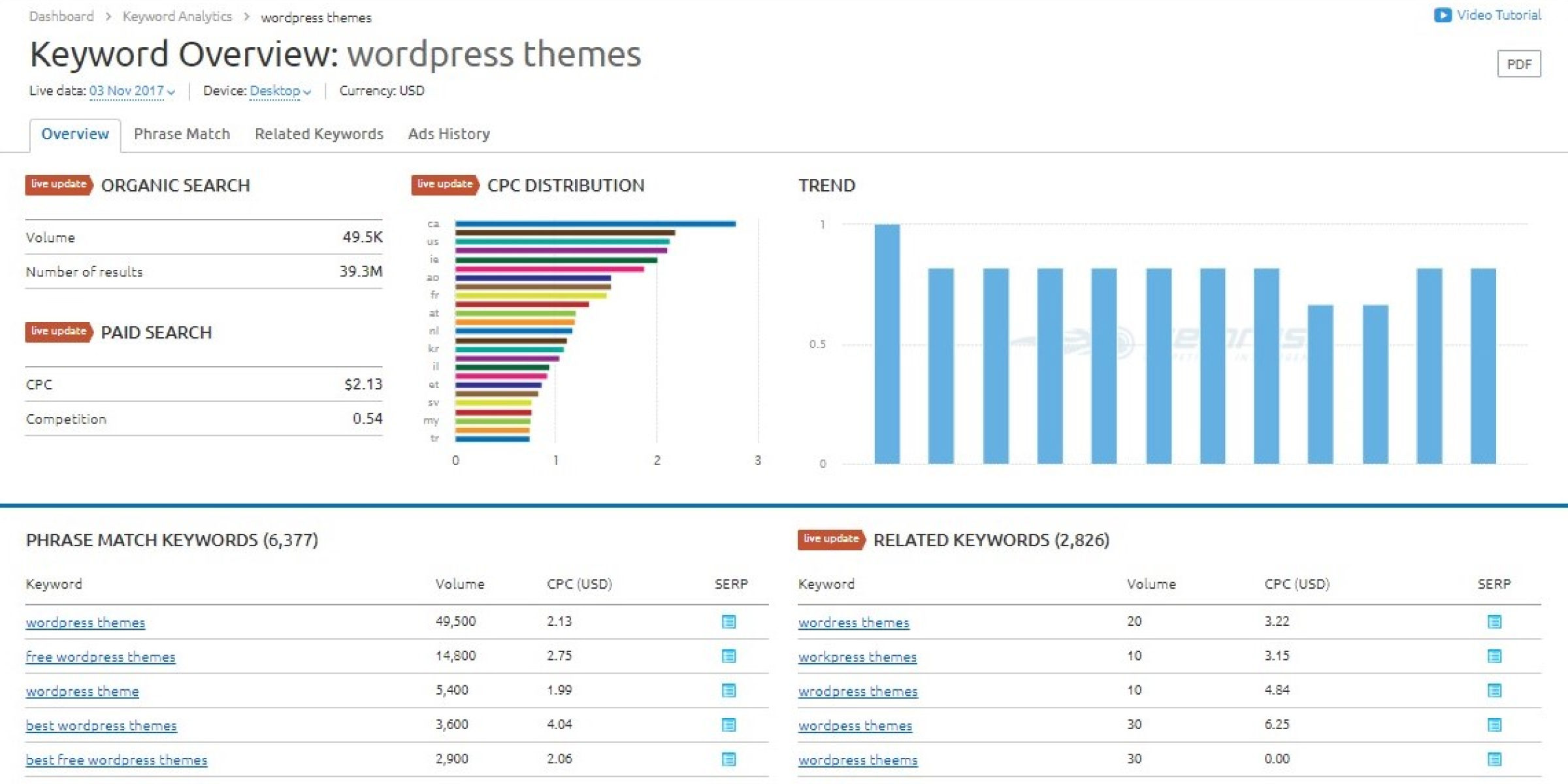
Keyword research is the process of finding and analyzing search terms that people enter into search engines like Google. The goal is to use these keywords wisely in your content to attract the right traffic.
Why Keyword Research Matters
- Helps you understand your audience's needs.
- Improves your website's visibility in search engines.
- Increases organic traffic.
- Guides your content marketing strategy.
- Helps you compete effectively within your niche.
Step 1: Understand Your Business and Target Audience
Start with a clear vision of your business goals and target audience before using any keyword tools. Ask yourself:
- Who are your ideal clients?
- What problems are they trying to solve?
- What would they search for to find your services or products?
Example: If you run a web development company, your potential clients might search for "affordable website design," "best web development agency," or "custom WordPress website."
Step 2: Create a Seed Keyword List
A seed keyword is a basic term related to your business. This list forms the foundation for more detailed keyword research.
How to create seed keywords:
- List your products or services.
- Think of related industry terms.
- Browse competitor websites for inspiration.
Example: For a mobile app agency, seed keywords could include "mobile app development," "iOS app development," or "Android app services."
Step 3: Use Keyword Research Tools
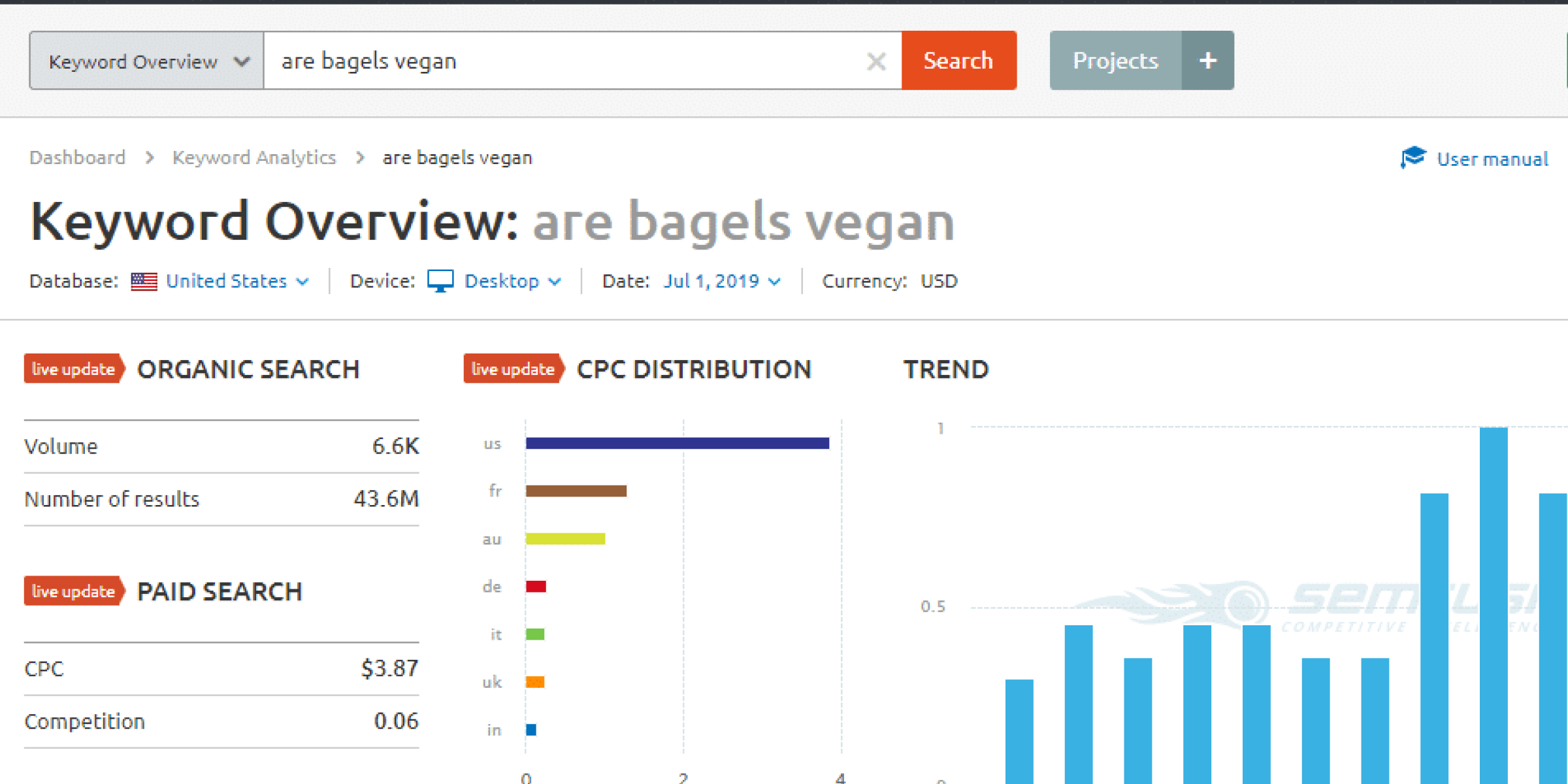
Once you have seed keywords, use keyword research tools to expand your list. These tools show keyword suggestions, search volume, and competition levels.
Popular Tools:
- Google Keyword Planner: Free tool for search volume and CPC data.
- Ubersuggest: Simple tool for keyword ideas.
- SEMrush: Great for competitor analysis.
- Ahrefs: Best for keyword difficulty and SERP analysis.
- AnswerThePublic: Ideal for finding question-based keywords.
Tip: Start with free tools and switch to paid ones as your business grows.
Step 4: Examine Keyword Metrics
Not all keywords are worth targeting. Focus on the following metrics:
- Search Volume: How often a keyword is searched each month.
- Keyword Difficulty (KD): How hard it is to rank for that keyword.
- CPC (Cost Per Click): Useful for understanding commercial value.
- Search Intent: Understand why users search (informational, navigational, or transactional).
Examples:
- "What is keyword research?" – Informational intent
- "Best SEO tools for small businesses" – Commercial intent
- "Buy SEO services online" – Transactional intent
Step 5: Research Competitors' Keywords
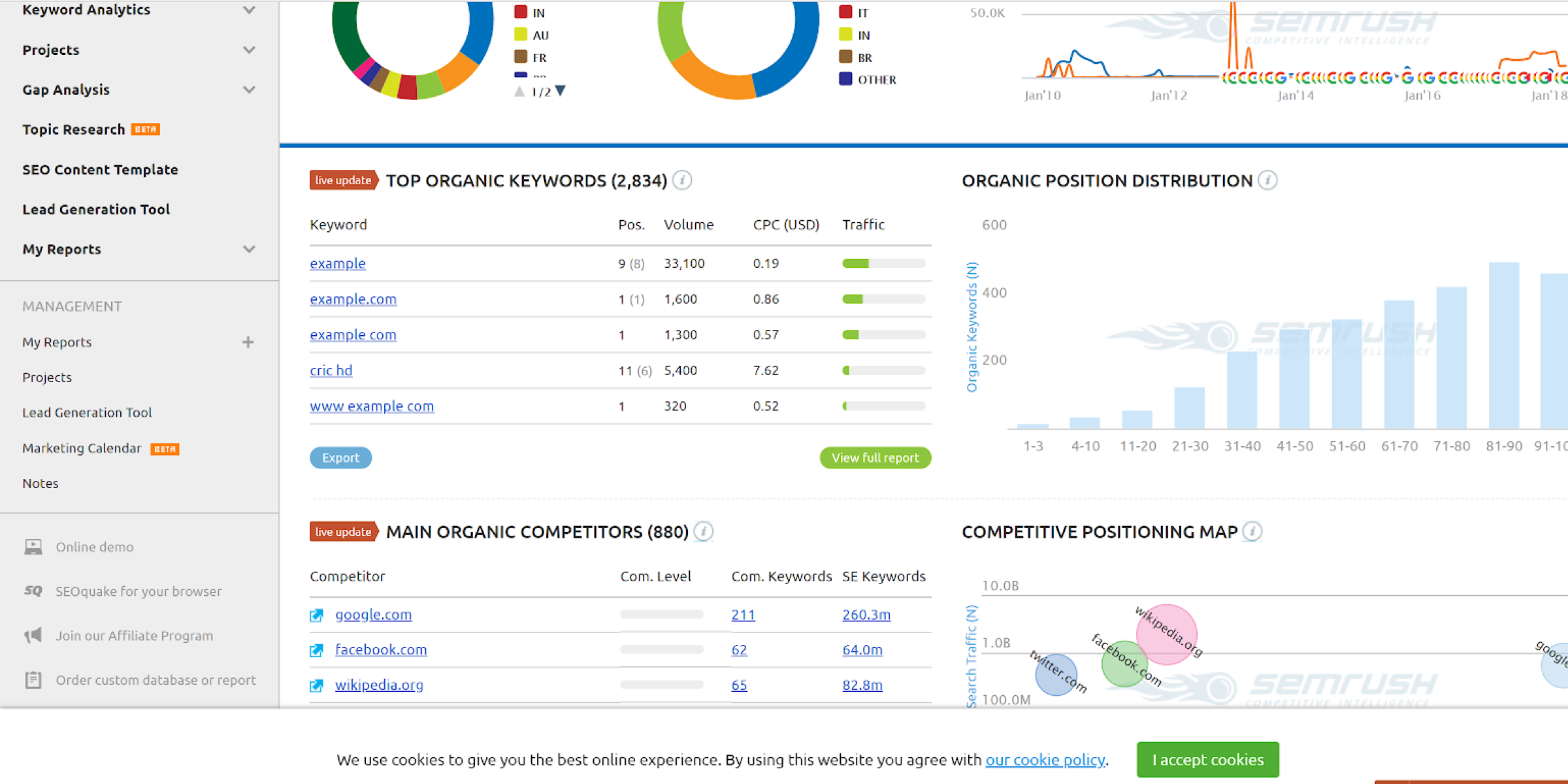
Analyzing your competitors helps uncover keyword opportunities.
How to do it:
- Identify your main competitors in Google search.
- Use Ahrefs or SEMrush to find their top-ranking keywords.
- Look for gaps where you can create better or updated content.
Example: If a competitor ranks for "SEO checklist for beginners," create a more comprehensive version like "Complete SEO Checklist for 2025."
Step 6: Find Long-Tail Keywords

Long-tail keywords are longer and more specific search phrases. They have less competition and higher conversion rates.
Examples:
- Short-tail: "SEO" (very competitive)
- Long-tail: "Step-by-step SEO checklist for 2025 beginners"
Benefits:
- Easier to rank for
- Drives highly targeted traffic
- Leads to better conversion rates
Step 7: Cluster Keywords by Topics
Group similar keywords into topic clusters. This makes it easier to plan content and build topical authority.
Example: For a web development company:
- Main topic: WordPress Development
- Subtopics: WordPress services, custom WordPress themes, site speed optimization
This technique is called topic clustering and is very effective for SEO.
Step 8: Prioritize and Select Keywords
You can't target every keyword at once. Choose ones that:
- Align with business goals
- Have a balance between volume and competition
- Match audience intent
- Are low competition (if your website is new)
Step 9: Use Keywords Strategically
Effective keyword placement is crucial. Use keywords naturally in:
- Page titles and meta descriptions
- Headings (H1, H2, H3)
- First 100 words of the article
- Image alt text
- URL structure
- Internal links
Tip: Avoid keyword stuffing. Focus on readability and user experience.
Step 10: Track and Refresh Keywords
Keyword research is an ongoing process. Search trends and rankings change over time.
- Use Google Search Console to track performance.
- Monitor rankings with Ahrefs or SEMrush.
- Update older blogs with new keywords to maintain relevance.
Example: If "SEO tips 2023" performed well last year, refresh it for "SEO tips 2025."
Bonus: Quick Keyword Research Tips
- Use Google Autocomplete for new ideas.
- Check "People also ask" and "Related searches."
- Use keywords that answer user intent.
- Think from your audience's perspective.
FAQs on Keyword Research
- How long does keyword research take? Usually around 2 hours of focused work.
- How many keywords per blog post? One primary keyword and 2–3 secondary ones.
- Can I do keyword research for free? Yes — Google Keyword Planner and Ubersuggest are great free tools.
- Should I only target high-volume keywords? No — combine high-volume with long-tail, low-competition keywords.
Conclusion
Keyword research is the foundation of SEO success. With this step-by-step approach, you can identify the right keywords, create targeted content, and grow your online visibility.
Remember: Start with seed keywords, use tools, analyze intent and competition, choose the best options, and monitor results regularly. Doing so will bring the right traffic and help your business reach its ideal audience.